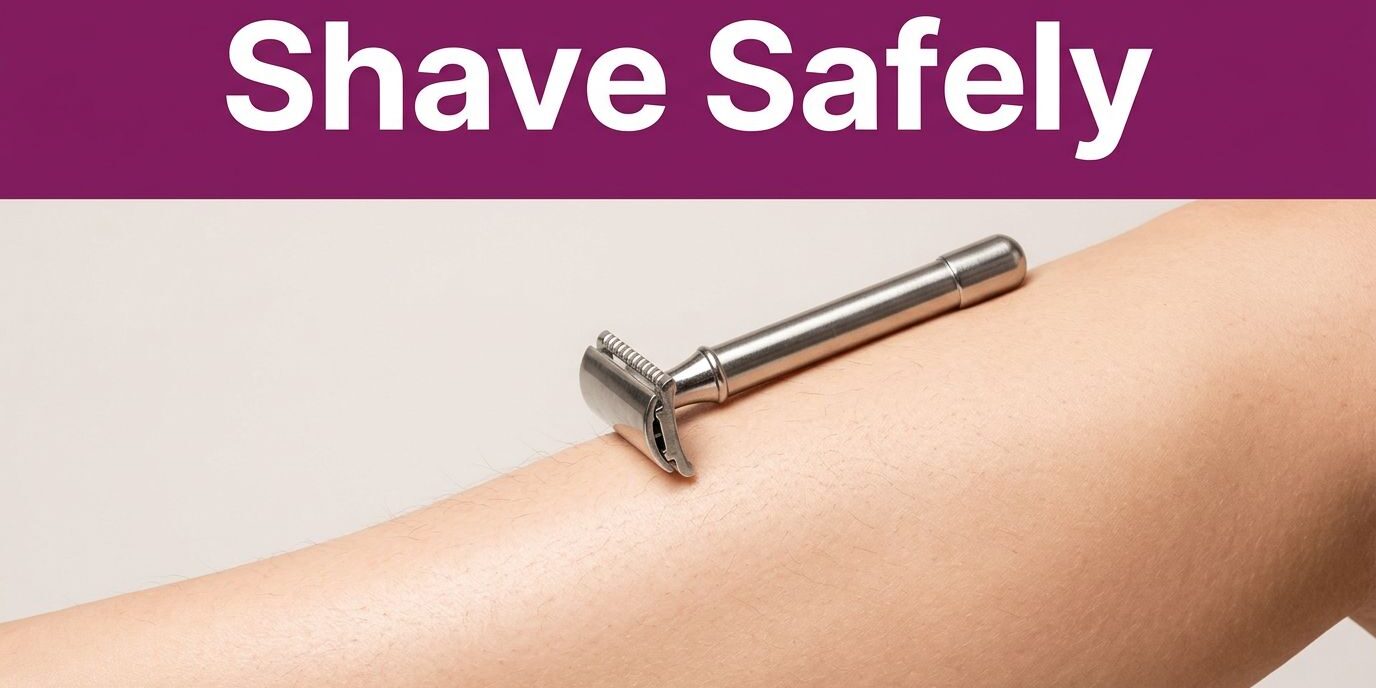
If you are currently undergoing electrolysis to achieve permanent hair removal, the visible hair growth between visits can be frustrating. The short answer is that you can safely shave between electrolysis sessions, and this is the temporary maintenance method I recommend most often for my clients.
Because shaving simply cuts the hair at the surface of the skin, it does not disturb the hair follicle or the root. This is essential because electrolysis requires the hair to be present in the follicle to be treated effectively. What I advise against is waxing, tweezing, or threading between appointments. Those methods pull the hair from the root, which disrupts the growth cycle that electrolysis relies on for success. If your skin remains red or tender shortly after your treatment, timing your shaving sessions carefully is important. Here is how I guide my clients through managing their hair growth safely.
Key Takeaways
- It is generally safe to shave between electrolysis sessions, as this method cuts hair at the surface without disrupting your progress toward permanent hair removal.
- Avoid waxing, tweezing, and threading, as these methods remove the root and interfere with the natural hair growth cycle that electrolysis targets.
- If your skin feels warm, remains swollen, or has developed scabs after your treatment, wait for the area to heal completely before you shave.
- Always use a clean, sharp razor and apply gentle pressure to keep the skin calm and prevent irritation.
- Your electrologist will provide specific guidance tailored to your unique hair type, so consult them if you are unsure about your aftercare routine.
Why Shaving Usually Works Between Sessions
Shaving is the easiest choice for most clients because it trims the hair you can see without damaging the hair follicle underneath. This distinction is vital because electrolysis sessions are designed to treat the follicle itself, targeting one hair at a time throughout a series of scheduled visits.
Hair grows in stages, so you will still see some regrowth between appointments. That does not mean the treatment is failing. It simply means other follicles are coming up on their own schedule, and your next session can effectively treat them as they surface, eventually leading you toward permanent hair removal.
I usually recommend shaving for the chin, neck, sideburns, and jawline when someone wants to stay neat between appointments. Specifically, when managing stubborn facial hair on the upper lip, shaving helps keep the area looking cleaner without restarting the hair removal process.
Shaving trims the hair you can see. Electrolysis treats the follicle that makes it.

What Not to Do Between Electrolysis Appointments
Here is the simple breakdown I give most clients.
| Method | Between sessions? | Why |
|---|---|---|
| Shaving | Yes, usually | It cuts hair at the surface and leaves the follicle alone |
| Waxing | No | It removes hair from the root and disrupts the cycle electrolysis targets |
| Tweezing or plucking | No | It also pulls hair from the root and can slow progress |
Waxing, tweezing, and plucking all work against the plan you are already following. They remove the hair before the electrologist can treat it, which means you may wait longer to get the same result. Unlike laser hair removal, which often requires a specific hair length or color, electrolysis is highly precise. That is why I tell clients to leave waxing out of their routine while they are in active treatment.
If you need to stay presentable between visits, shaving is the safer choice. It gives you control without interfering with the work your sessions are doing over time, and because shaving does not require you to maintain a specific hair length for your next appointment, your electrologist can still treat the follicles effectively.
How I Tell Clients to Shave Safely
If I know a client wants to shave between sessions, I advise them to prioritize proper post-treatment care to keep their skin healthy. Electrolysis can leave the area a little red, warm, swollen, or tender, and that is normal after treatment.
A simple routine works best:
- Wait until all redness, warmth, and swelling have settled before shaving.
- Use a clean, sharp razor to minimize unnecessary skin irritation.
- Shave with light pressure and short strokes to avoid damaging the delicate treatment area.
- Skip shaving over any tiny scabs or irritated spots.
- Use a gentle, fragrance-free shaving product if your skin tolerates it well.
I also tell people to avoid heavy scrubs, harsh aftershaves, and anything with a strong fragrance if the area feels sensitive. On treatment day, I still prefer the basics: keep the skin clean, leave it alone, and do not pick at any tiny scabs.
If your electrologist told you to avoid soap, makeup, or perfume for 24 hours after your session, always follow that specific advice. Consistent aftercare keeps the skin calm and helps the area heal exactly as it should.
When to Pause and Ask First
Shaving is not the move if the skin is still hot, puffy, or marked by tiny scabs. It also does not make sense to shave over an area that feels raw or overworked. If that happens, give the skin a little more time to heal.
You should also ask before shaving if you notice repeated irritation, ingrown hairs, or unusual sensitivity after your visits. This is particularly important for trans women and individuals managing hormonal hair growth, as the precision of your treatment plan can be highly sensitive. Whether your electrologist is using thermolysis or galvanic modalities with sterile needles, the timing of your appointments matters for achieving the best results. If you are dealing with stubborn facial hair in areas like the chin or sideburns, clear communication with your specialist is the best way to avoid damaging the skin barrier.
If you want help figuring out what is safe for your skin, Call Theresa’s Face and Body for an appointment. I can help you plan the space between visits, so you know when to shave and when to let the skin rest.
Frequently Asked Questions ### How long should I wait after an electrolysis session before I can shave? You should wait until all signs of redness, swelling, or tenderness have completely subsided. Giving your skin time to recover prevents unnecessary irritation and protects the treated follicles. ### Does shaving between appointments slow down my progress? No, shaving does not affect your results because it only removes the hair at the surface of the skin. Electrolysis requires the root to remain in the follicle to be treated, and shaving leaves the follicle entirely undisturbed. ### Can I use chemical hair removal creams instead of a razor? I generally advise against using depilatory creams between electrolysis sessions because they can be harsh and may cause unwanted skin irritation. A clean, sharp razor is a much safer and more predictable option for managing hair growth while your skin is in the healing phase.
Conclusion
Yes, you can usually shave between electrolysis sessions, and for most people it is the cleanest way to manage visible regrowth. It keeps the hair at the surface while leaving the actual follicle work to your professional treatment.
What protects your progress is simple, steady care. Skip waxing, tweezing, and threading, shave gently, and wait until the skin settles if it is still irritated. By choosing to shave between electrolysis appointments rather than pulling the hair from the root, you stay on the fastest track to permanent hair removal.
Following the specific advice of your electrologist ensures the best long-term results for your skin and hair goals. That small routine makes your journey easier to live with, and it keeps your treatment moving in the right direction.