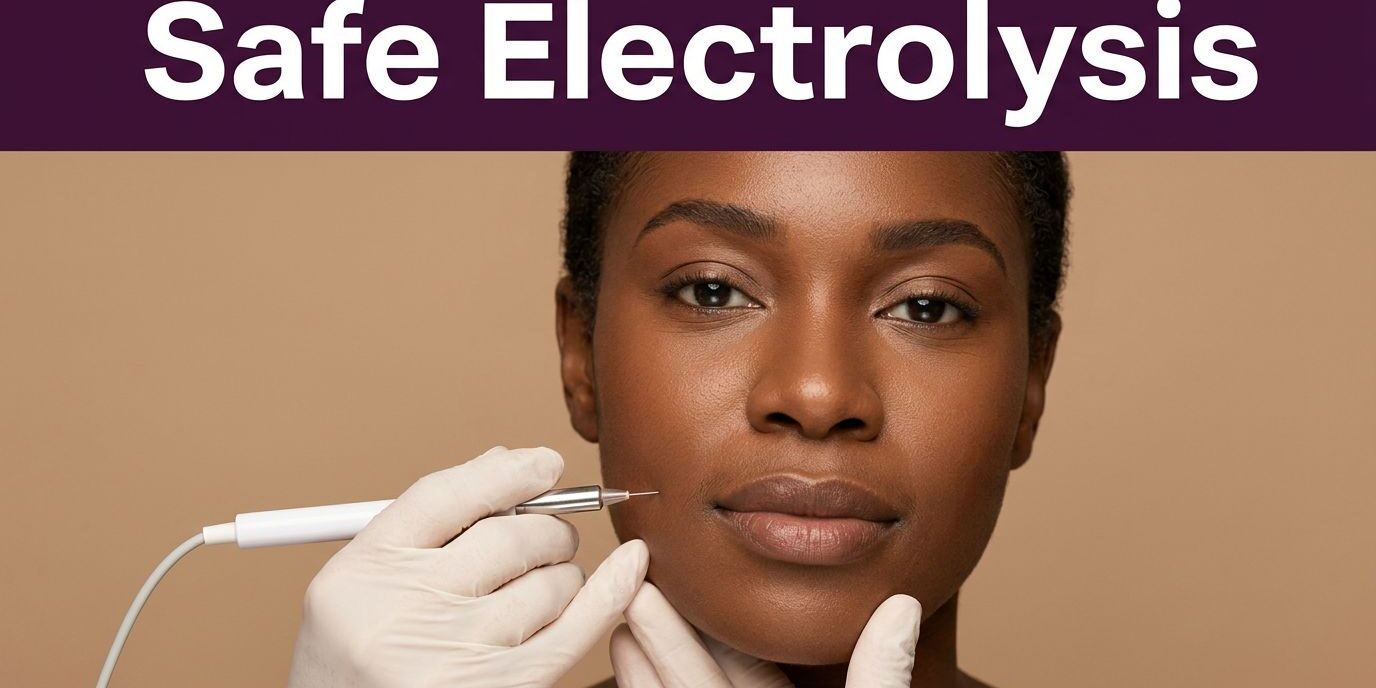
People with deeper skin tones deserve hair-removal care planned for their skin, hair, and comfort, not a one-size-fits-all routine. When razor bumps or dark marks are concerns, melanin-rich skin needs individualized care. When clients ask about electrolysis for deeper complexions, I explain that it offers permanent hair removal when performed by a trained electrologist.
I explain how the treatment works, how we plan visits around the growth cycle, and which simple aftercare steps help keep skin calm. The goal is steady, follicle-by-follicle progress through a personalized treatment plan that fits your life, pattern, and long-term goals.
Key Takeaways
- Electrolysis can provide permanent hair removal for appropriate follicles across all skin tones and hair colors because it treats each follicle directly rather than relying on pigment contrast.
- A trained electrologist should personalize the treatment plan around your skin response, hair density, treatment area, growth cycle, and history of hyperpigmentation or keloids.
- Facial electrolysis usually requires multiple sessions because follicles become active at different stages of the hair-growth cycle; treatment ranges are estimates, not promises.
- Gentle aftercare, daily sun protection, and avoiding picking, rubbing, waxing, tweezing, or threading may help limit irritation, dark marks, and razor bumps between visits.
- A thorough consultation should cover technique, hygiene, comfort, appointment timing, cost, progress tracking, and whether laser hair removal is appropriate for your profile.
Electrolysis Dark Skin: A Safe Treatment Choice
Electrolysis is appropriate for deeper complexions because it targets each hair follicle directly. It doesn’t rely on contrast between hair pigment and skin pigment. A very fine probe follows the natural opening, then electrical energy treats the growth center.
Some people may be candidates for laser hair removal, including treatment with an Nd:YAG laser. Unlike electrolysis, it uses light-based energy, so the choice depends on your hair, skin, area, and provider’s assessment.
Cleveland Clinic’s electrolysis guide states that electrolysis safely and permanently removes hair from all skin tones. It also identifies electrolysis as the only FDA-approved treatment for permanent hair removal.
How Skin Tone Fits Into Treatment Planning
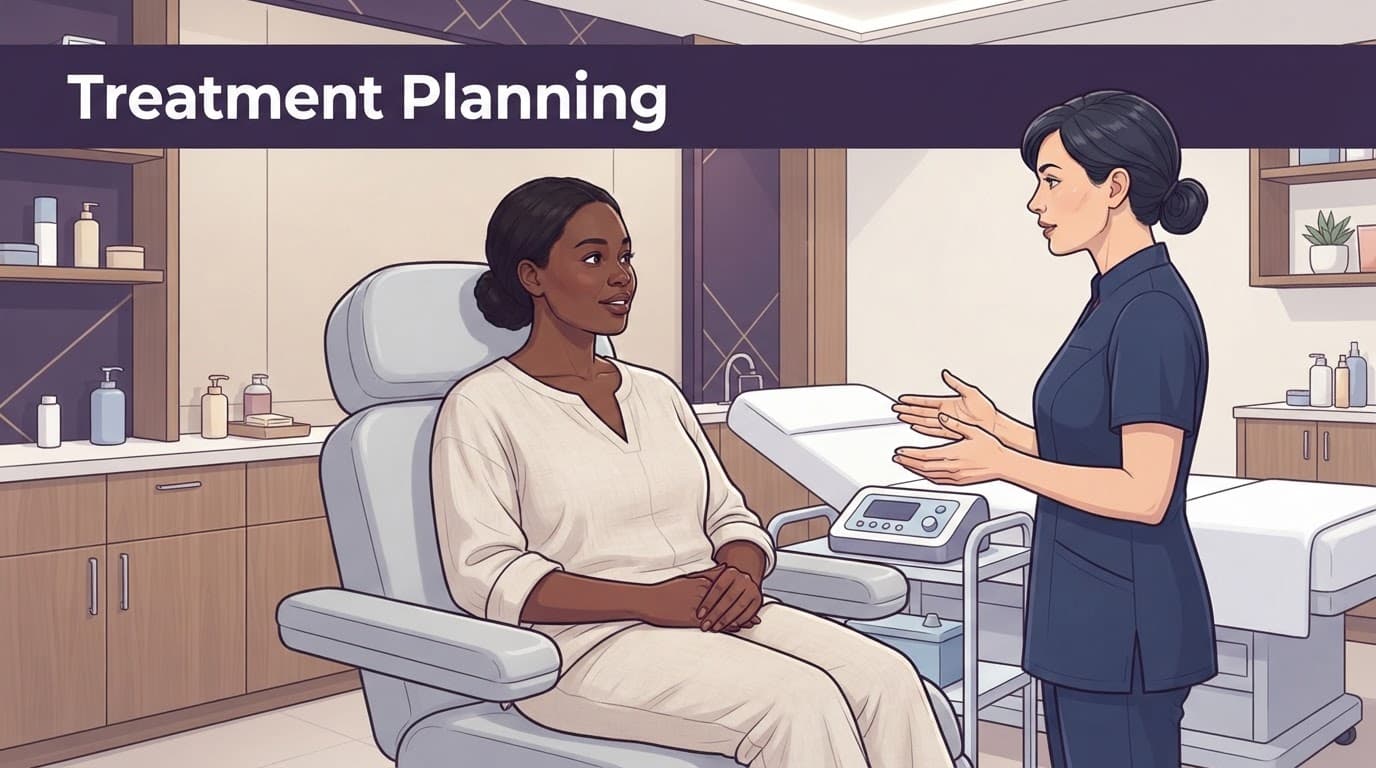
Melanin-rich skin benefits from thoughtful planning and professional care. During the assessment, I consider how your skin responds, the exact area, hair density, current products, and prior procedures. These details help me choose a comfortable pace and watch for side effects, including possible hyperpigmentation or dark spots.
An experienced electrologist reviews these details and adapts the approach to your needs. Your electrologist provides ongoing guidance throughout the process. I explain each step and begin with a focused area, so you understand the process before considering a broader zone.
What A Professional Consultation Covers
Your first visit should feel private and unrushed. We discuss whether you want a cleaner sideburn line, fewer chin hairs, a defined neckline, or broader facial hair removal. Men and women can both benefit from an approach that follows natural facial shape.
I also review preparation details, current products, and relevant prior procedures. Please mention prescription skin products, recent facials, or a history of keloids, so I can discuss possible side effects. For clients managing PCOS, I explain that hormonal patterns can influence new growth, while each treated follicle can still be permanently removed.
How Electrolysis Works With Melanin-Rich Skin
One Follicle, One Precise Treatment
Electrolysis treats hairs individually, so precision matters. The probe is placed into a hair follicle, and electrical energy is delivered at the treatment point. The hair is then removed smoothly after the follicle has been treated.
This direct method works across hair color and texture, including fine, blonde, red, coarse hair, and gray hairs. WebMD’s electrolysis overview also explains that modern devices target each follicle’s growth center. An electrologist tailors timing and settings to each appointment.
Hair Growth Happens In Cycles
Not every follicle is ready at the same time. Hair moves through growth stages, so one visit treats the follicles available during that appointment. Later visits address the next group as they become ready.
I remind clients that additional visible hairs between appointments are expected because follicles become active at different times. Consistency gives us a clearer way to measure progress, and many clients notice fewer hairs to treat as the schedule continues.
Creating A Facial Electrolysis Treatment Plan
Good planning starts with a clearly defined treatment area. Chin can mean a small central patch, the full jawline, or the upper neck, and each choice changes the time required. Sideburns, upper lip, cheeks, chin, and neckline also have different facial hair patterns. I discuss the goal carefully so the result looks balanced and natural.
Set A Schedule That Fits Your Hair Cycle
For facial visits, early sessions are often scheduled every one to three weeks to align with active hair growth. Some clients benefit from appointments every 10 to 14 days, while others use a two to three week interval. Coarse hair, density, zone size, and your skin’s response guide the schedule.
Appointment length matters as much as the number of visits, and your electrologist adjusts session length as progress is reviewed. A 15-minute appointment and a 60-minute appointment aren’t equal treatment time. Shorter visits can suit a small sideburn area, while longer appointments may cover the full chin, jawline, or neckline.
Use Session Ranges, Not Promises
Published treatment estimates vary because every face has a different starting point. A facial zone is often estimated at about 10 to 20 sessions over six to 12 months. Full-face treatment may take 15 to 30 sessions over 12 to 18 months.
I use these numbers as planning ranges, never as a promise. Density, the selected area, hormonal patterns, consistency, and session length all affect the timeline. With pcos, your medical provider can address new hormonal growth, while treated follicles may already be permanently disabled.
A session count only tells part of the story. The selected area, appointment length, hair density, and schedule all matter.
Aftercare For Calm, Even-Looking Skin
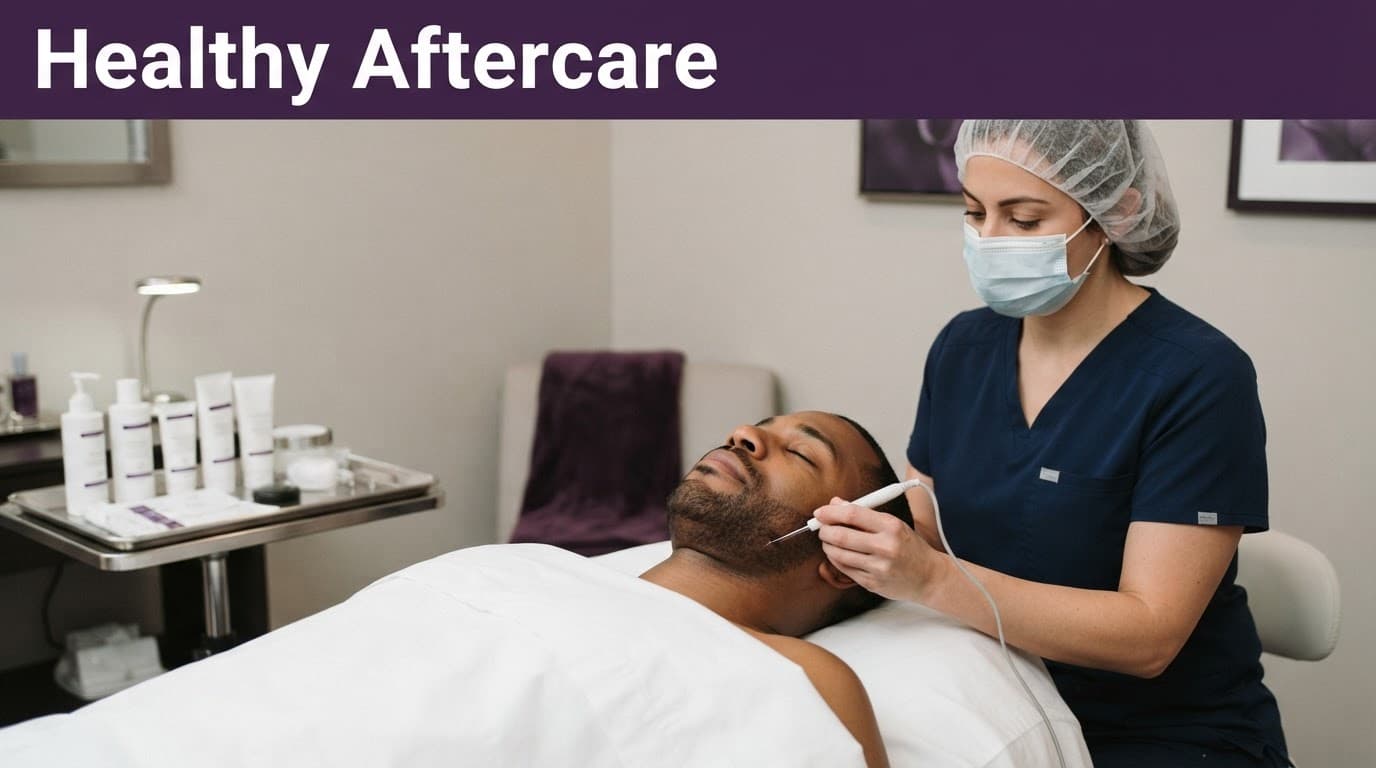
Aftercare should be simple and provider-directed. I tailor instructions to the area treated, session length, and how your skin feels afterward. Following your electrologist’s guidance and using gentle care may help limit side effects, including irritation and post-treatment hyperpigmentation.
Keep The Routine Gentle
Use clean hands, cleanse as directed, and avoid picking or rubbing treated skin. Picking or rubbing can worsen irritation and leave dark marks. Follow the recommended timing for makeup, exercise, swimming, and active skin-care products.
If I recommend pausing exfoliating acids, retinoids, or strong brightening products, wait until your skin is ready before restarting them. Daily sun protection is also important, especially for exposed facial areas, and may help limit dark spots.
Protect Progress Between Visits
Please avoid waxing, tweezing, or threading between electrolysis appointments. These methods remove hair from the root. That can make the follicle harder to treat at the right stage and may contribute to ingrown hairs.
If you need to manage visible hair between visits, ask which trimming or shaving method fits your needs. Choose a gentle option with minimal friction to help reduce razor bumps.
Keep products clean and follow the aftercare directions. Use a provider-approved aftercare product, and manage hair gently between visits to help reduce recurring razor bumps. Contact your provider if unusual dark marks persist, or if you notice worsening pain, swelling, drainage, or unexpected pigment changes. I’d rather answer a quick question than have you guess.
Questions To Ask Before The First Session
Choosing an electrologist is part of treatment planning. Look for a licensed professional who explains the technique and hygiene practices, and takes time to understand your goals. If razor bumps are among your concerns, mention them early. A good consultation should leave you feeling informed, respected, and comfortable with the plan.
Ask About Technique And Comfort
Ask which modality fits your hair and treatment area, such as thermolysis, galvanic, or blend, and why. Ask why electrolysis suits your profile rather than laser hair removal, and whether it can treat lighter growth, including gray hairs. Ask how probes and treatment surfaces are handled, what the session will feel like, how breaks are arranged, and which aftercare products suit your skin. The professional should explain the risks of hyperpigmentation, a history of keloids, and possible side effects without promising a reaction-free experience. Also ask how long to stop waxing before treatment.
As a certified medical hair removal specialist and medical esthetician, I believe education belongs in every appointment. You should know what is happening, what we are treating, and how progress will be measured.
Ask About Time, Cost, And Progress
Before booking, ask for the expected appointment length, early visit frequency, estimated number of sessions, and price for 30-minute and 60-minute visits. Ask how the treatment area will be measured, when progress will be reviewed, and what changes could lead to a new schedule.
These questions help you plan your time and budget without guessing. For Cape Coral clients, appointments are reserved specifically for you. Theresa’s Face and Body requests 48 hours notice for cancellations or rescheduling, and a fee may apply when that notice isn’t provided. Services are paid privately, and insurance isn’t accepted.
If you’re ready to discuss your goals, Call Theresa’s Face and Body for an appointment.
Facial Hair, PCOS, And Long-Term Results
Shape Sideburns, Chin, And Necklines
Small facial areas often benefit from a precise plan because shape matters. Sideburns should follow your natural hairline, while the chin or neckline should look clean without appearing harsh. I work with the existing pattern and remove only the hair included in your goal.
Electrolysis supports women and men seeking permanent hair removal on the face, neck, brows, or other small areas. Hair color isn’t a barrier, so lighter growth, including gray hairs, can be addressed. Some clients want a more precise alternative after dealing with ingrown hairs or razor bumps from repeated hair removal.
Planning carefully can help avoid repeated inflammation and picking that may contribute to dark marks. This approach doesn’t remove existing pigmentation, but it can support calmer-looking skin over time.
Keep The Plan Steady
Once a hair follicle is permanently disabled, that treated follicle doesn’t produce hair again. Later visibility can reflect untreated follicles entering a different stage of hair growth or hormonal changes. That’s why I track progress over time instead of judging the plan after one visit.
A steady schedule gives your electrologist enough information to adjust timing and treatment areas. It also keeps your goal in view, whether you want a few permanent changes or broader removal across the area.
Frequently Asked Questions
Is electrolysis safe for dark skin?
Electrolysis can be appropriate for deeper complexions because it targets each hair follicle directly instead of relying on contrast between hair and skin pigment. Treatment should be performed by a trained electrologist who can plan carefully and monitor for irritation or hyperpigmentation.
How many electrolysis sessions will I need?
The number of sessions depends on the treatment area, hair density, appointment length, growth cycle, consistency, and hormonal patterns. A facial zone may take about 10 to 20 sessions over six to 12 months, while full-face treatment may take longer; these are planning ranges, not guarantees.
Can electrolysis treat facial hair related to PCOS?
Yes, electrolysis can permanently disable each follicle that is successfully treated, including facial follicles affected by hormonal patterns. PCOS may contribute to new growth, so your medical provider can address hormonal concerns while your electrologist manages the treatment plan.
What should I avoid between electrolysis appointments?
Avoid waxing, tweezing, and threading because they remove hair from the root and can make follicles harder to treat at the right stage. Ask your electrologist which gentle trimming or shaving method fits your skin, and avoid picking or rubbing treated areas.
Can electrolysis remove existing dark marks?
Electrolysis does not remove existing pigmentation, but careful hair removal and gentle aftercare may help reduce repeated inflammation that contributes to dark marks. Contact your provider if unusual pigment changes persist or if you notice worsening pain, swelling, or drainage.
Conclusion
Darker complexions deserve hair-removal treatment selected with care and performed with precision. Electrolysis offers permanent hair removal for appropriate follicles across skin tones and hair colors. A personal schedule keeps progress over multiple sessions organized and realistic, while laser hair removal is another method readers may compare.
Defining the treatment area, planning visits, using gentle aftercare, and staying in contact give each appointment a clear purpose. These choices may help manage hyperpigmentation, dark spots, dark marks, and recurring razor bumps, though results vary and concerns aren’t guaranteed to disappear. I welcome men and women in Cape Coral who want knowledgeable, respectful care and a plan built around their goals.