Electrolysis remains the gold standard for permanent hair removal, providing a reliable way to achieve smooth skin. While it is a highly effective procedure, experiencing redness and swelling is a common part of the skin healing process. Often, the skin can look more dramatic than it feels, particularly when several hairs have been treated in one small area. The good news is that mild redness, tenderness, and inflammation are typical responses as the body recovers.
With proper electrolysis aftercare, most clients see the treated area settle within several hours to one or two days. The exact timing for the skin to return to normal depends on your unique skin sensitivity, the specific treatment area, the density of hair treated, and how your individual complexion responds to the energy applied.
Key Takeaways
- Mild redness typically improves within several hours, while swelling usually persists for 24 to 48 hours following your treatment.
- Small bumps or tiny scabs may appear during the healing process; it is essential to avoid touching the area and picking scabs to ensure proper skin recovery.
- Keep the treated area clean and avoid applying makeup, fragrances, or heavy products. You should also limit exposure to excess heat and strenuous exercise to prevent sweating.
- Refrain from tweezing or waxing between appointments, as removing hair from the root can lead to unwanted ingrown hairs and interfere with the effectiveness of future sessions.
- If you notice increasing pain, spreading redness, pus, blistering, or a fever, contact your electrologist or a medical professional immediately for guidance.
When Should Redness and Swelling Improve?
Electrolysis treatment targets one hair follicle at a time to ensure permanent results. A fine probe enters the hair follicles, and a controlled electrical current disables their ability to produce another hair. Since each follicle receives treatment, the skin can show a small reaction around every treated opening.
Right after your appointment, the treated area may look pink or red. You may also notice mild redness and swelling, or a feeling similar to a small sunburn. On the face, redness can be more noticeable because the skin is sensitive and the follicles are often close together.
For many clients, redness begins to fade within a few hours. Mild swelling often improves during the first 24 hours, although some areas may remain tender or puffy for up to 48 hours. Sensitive skin, dense hair growth, and longer sessions can extend the healing process for the treated area.
A few small bumps or tiny scabs may develop as the follicles heal. This does not automatically mean the skin has been damaged. Skin reactions such as redness, swelling, and small scab formation can occur during the natural recovery phase, as described in this post-treatment skincare guidance.
A stronger reaction does not mean the treatment worked better. Healing depends on your skin and the area treated, not on how red the skin becomes.
The upper lip, chin, eyebrows, and bikini area can each respond differently. A client who has almost no reaction on the leg may notice more redness around the mouth. I always ask clients to tell me how their skin feels, not only how it looks, because comfort and healing both matter.
If swelling continues to increase after the first two days, or if the area becomes more painful instead of calmer, contact your electrologist for guidance. A normal reaction should gradually improve rather than spread or intensify.
Electrolysis Aftercare During the First 24 Hours
The first day is when simple care makes the biggest difference. I recommend treating the area gently and leaving the skin alone as much as possible. Your skin has received a precise treatment, so it does not need extra scrubbing, picking, or multiple products.
Clean the area according to the instructions provided during your appointment. Using a mild cleanser followed by witch hazel or pure aloe vera can help soothe the skin and keep it clean. Avoid harsh alcohol-based products unless your professional specifically recommends them. Pat the skin dry with a clean towel instead of rubbing it.
For the first 24 hours, avoid:
- Makeup on the treated area, though mineral makeup is generally the only safe option if coverage is absolutely necessary
- Perfume, fragranced lotions, and deodorant near the treatment site
- Strong soap, scrubs, and exfoliating brushes
- Touching the area with unwashed hands
- Hot tubs, saunas, and hot showers
- Heavy exercise that causes a lot of sweating
- Direct sun exposure and tanning
If your electrologist recommends an antibiotic cream, apply it exactly as directed. Do not use a new ointment if you have had reactions to similar products. Some people are sensitive to topical ingredients, and extra product can trap heat or irritate already-treated skin.
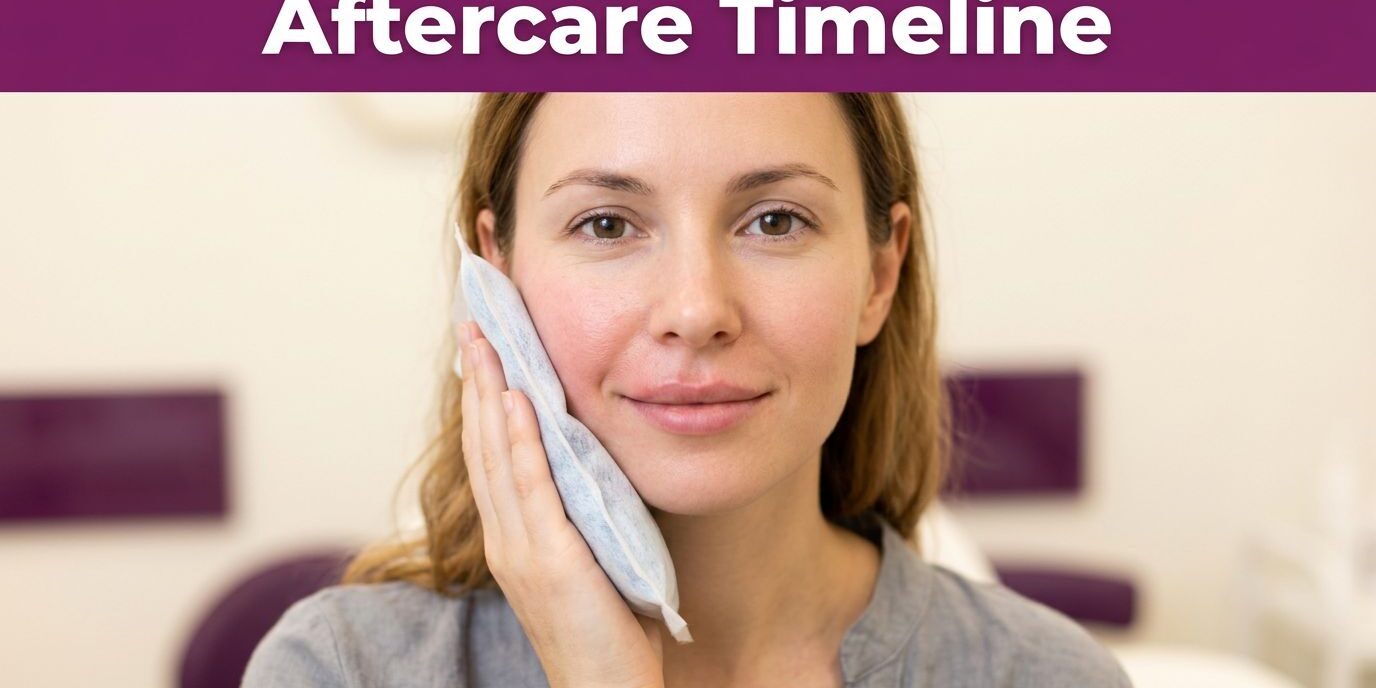
A cold compress can help significantly with warmth and puffiness. Wrap the compress in a clean, soft cloth and use it for short periods. Do not place ice directly on the skin. Cooling should feel comfortable, not painful or numb.
Clients often ask whether they can return to work after electrolysis. For a small treatment area, many people can continue their normal day. Facial appointments may be easier to schedule later in the day if you need to avoid makeup or if redness is noticeable.
For additional practical suggestions, skin care after electrolysis can help you understand why tenderness, swelling, and redness are common after treatment.

What Should You Avoid Between Electrolysis Sessions?
Electrolysis works with the natural hair growth cycle. At each appointment, I treat hairs that are present and accessible in the follicle. Since every hair grows on its own schedule, several sessions are normally needed before all active follicles have been treated.
Methods like waxing, tweezing, and threading pull the hair out from the root. This removes the target before it is available for electrolysis, which makes it harder to treat the follicle during the next appointment. For this reason, you should avoid using these root removal methods between visits. Conversely, shaving between electrolysis sessions is acceptable because the hair remains in the follicle. If you need to manage visible growth, follow the method your electrologist recommends for your specific area and skin type.
Do not pick at bumps or scabs, even if they feel rough. Picking can delay healing and may increase the risk of a bacterial infection. Let the small crusts fall away naturally as the skin recovers.
Sun protection also matters. Recently treated skin can be more sensitive to sunlight, and irritation may make discoloration more likely, particularly for clients who already experience hyperpigmentation. To protect the treated area from UV exposure, I recommend using a high-quality sunscreen SPF 30. Once the skin is no longer open or irritated, ask your professional which sunscreen is most appropriate for your needs.
The same care applies to men and women receiving facial electrolysis, body treatments, or intimate area work. Skin type and treatment location may change the instructions, but gentle handling is always a safe starting point.
At Theresa’s Face and Body in Cape Coral, I provide detailed instructions after every appointment. My goal is for you to know what is normal before you leave, so you are not left guessing later that evening.
What Can Make Electrolysis Redness Last Longer?
There isn’t one exact recovery time for every client. The condition of your skin before treatment, the amount of hair removed, and the specific treated area all affect how long you experience redness and swelling.
Facial regions often show more visible irritation than the legs or arms. Because the upper lip and chin are sensitive, the treated area may feel tender, especially when we address dense or hormonally influenced hair. PCOS related facial hair, coarse chin hair, and long standing growth may require a series of appointments rather than one long session. When density is high, the resulting redness and swelling may persist slightly longer as the skin recovers.
Electrolysis treatment intensity also plays a role in how your hair follicles react. While thermolysis can treat follicles quickly by using heat, the skin still needs time to settle afterward. The number of insertions, the treatment duration, and your individual response all influence the healing process. A skilled professional adjusts the settings to match the follicle and the skin type instead of treating every client the same way.
Your recent skincare routine can also affect recovery. Retinoids, exfoliating acids, acne medication, chemical peels, and other active products may leave the skin more reactive. Tell me about these products before your appointment, especially if you are receiving electrolysis on the face.
Skin that is already sunburned, irritated, broken, or inflamed may need to heal before you undergo a procedure. I may recommend waiting if the skin isn’t in a suitable condition. Treating calm, healthy skin provides a better starting point for the session.
A brief consultation is helpful if you have allergies, a history of unusual scarring, frequent cold sores, or a medical condition that affects healing. Electrolysis performed by a trained professional with sterile tools isn’t expected to cause permanent scarring, but proper technique and diligent aftercare still matter for your results.
When Should You Contact a Professional?
Normal redness and swelling should slowly fade as your skin recovers from the procedure. While the treated area may feel sensitive, your level of discomfort should not continue to increase over time.
Contact your electrologist if you notice:
- Redness that spreads beyond the treated area
- Swelling that continues increasing after 48 hours
- Worsening pain, heat, or throbbing
- Yellow drainage, pus, or a strong unpleasant odor
- Blisters, severe burning, or extensive skin peeling
- Fever or feeling generally unwell
- Swelling around the eyes or lips
Seek urgent medical help if you experience trouble breathing, severe facial swelling, or signs of a serious allergic reaction.
A few small scabs are common and do not require panic. Continue to keep the skin clean, apply your recommended antiseptic cream, and leave the scabs alone so they can heal properly. However, large scabs, severe blistering, or lasting changes in the skin texture should be evaluated by a professional rather than covered with makeup and ignored.
I also recommend contacting the spa if you are unsure whether your reaction is normal. A quick conversation can answer questions about products, cooling, cleansing, or whether you need to adjust your application of antiseptic cream before your next appointment. Good aftercare is essential to ensure your journey toward permanent hair removal remains safe and effective.
Electrolysis is a process rather than a single quick visit. Because hair grows in cycles, consistent appointments are necessary to reach every follicle at the right stage. Once a follicle has been permanently disabled, it no longer requires waxing or tweezing.
If you are in Cape Coral and want to discuss your skin, hair growth, or treatment schedule, Call Theresa’s Face and Body for an appointment. I can review what to expect and help you plan a comfortable approach to your permanent hair removal.
Frequently Asked Questions
Can I wear makeup after my electrolysis session?
It is best to avoid applying makeup to the treated area for at least 24 hours to prevent clogging the follicles and causing irritation. If you must use coverage, mineral makeup is typically the only recommended option, provided it is applied with clean tools.
How should I manage small scabs if they appear?
Small scabs are a natural part of the healing process and should never be picked or scratched, as this can lead to scarring or infection. Simply keep the area clean and let them fall away on their own as your skin recovers.
Can I exercise after getting electrolysis?
Avoid strenuous activities that cause significant sweating for the first 24 hours following your treatment. Heat and moisture can irritate the freshly treated follicles and increase the risk of inflammation or breakouts.
What should I do if my skin feels itchy while healing?
It is normal for healing skin to feel slightly itchy, but you must resist the urge to scratch the area. You can gently apply a cool, clean compress to the skin to soothe the sensation without damaging the healing follicles.
Conclusion
In most cases, redness typically settles within several hours, and mild swelling should improve within 24 to 48 hours. While small bumps or tiny scabs can occasionally appear as the follicles heal, you should avoid picking at the skin, applying fragranced products, exposing the area to excessive heat, or using root-removal methods between appointments, as these actions can create unnecessary irritation.
The best electrolysis aftercare is gentle and consistent. Keep the treated area clean, strictly follow the post-appointment instructions provided by your electrologist, and reach out to a professional if your reaction becomes more painful, widespread, or severe. With patience and proper care, this temporary redness is simply a short part of your journey toward permanent hair removal and achieving smoother, hair-free skin.