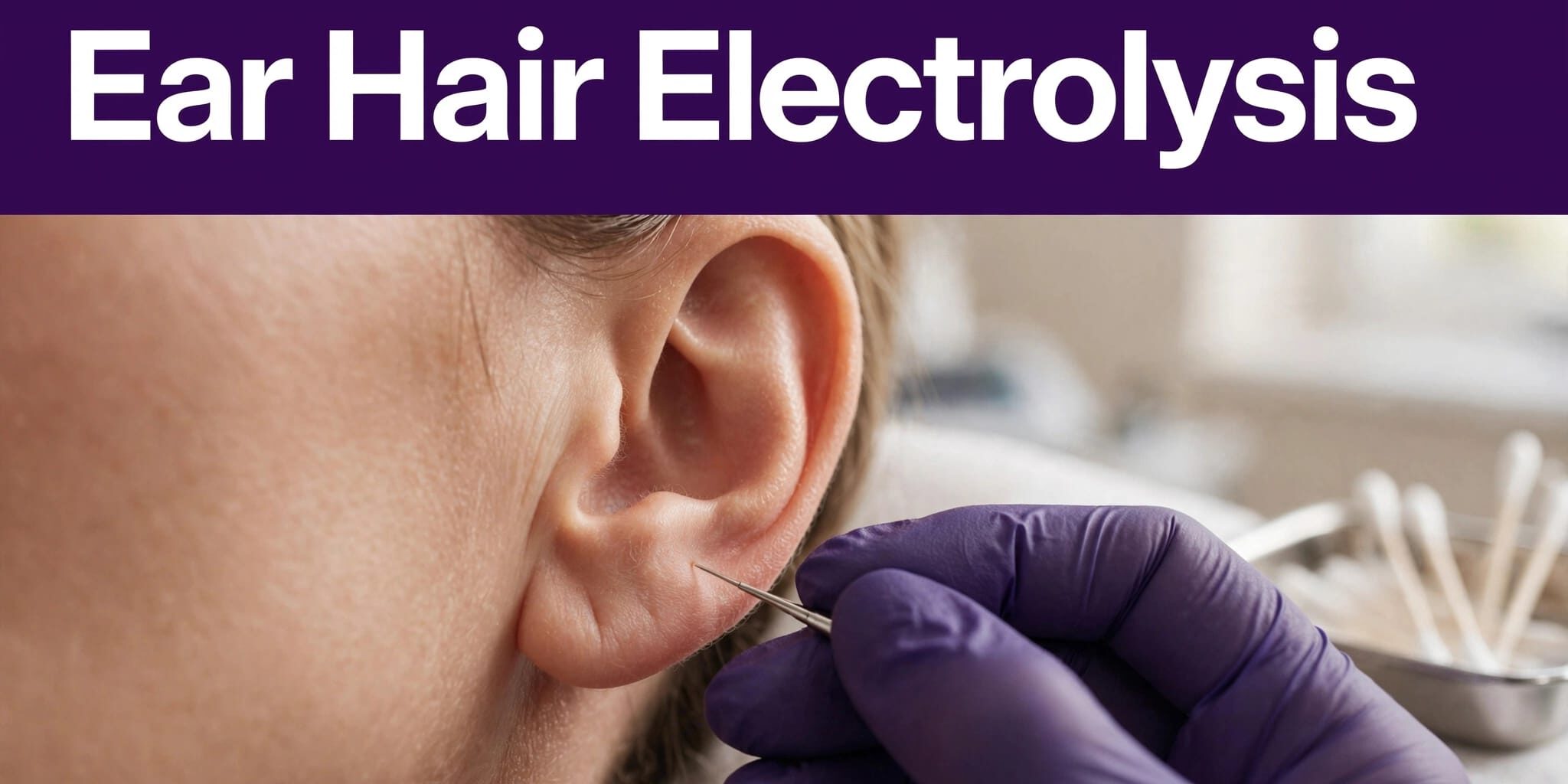
Ear hair can go from barely noticeable to a regular grooming problem faster than you expect. If you’re comparing ear hair removal options, electrolysis can reduce repeated grooming by disabling follicles treated successfully.
Visible hairs emerge at different times, so more than one visit may be needed. Treatment focuses on the outer ear, including the visible rim, lobe, and other external surfaces, not the inside of the ear.
I see this concern in both men and women, especially when hair becomes darker, coarser, or more noticeable around the ear rim and earlobe. It is a small area, but it can make a big difference in how polished you feel.
Here is what I want you to know before scheduling treatment. Ask about a free consultation if you have questions about whether it’s right for you.
Key Takeaways
- Ear hair electrolysis treats visible hair on the external ear, including the rim, lobe, tragus, and nearby surfaces—not inside the ear canal.
- Electrolysis treats one follicle at a time and can permanently affect follicles that are successfully treated, regardless of hair color or skin tone.
- Multiple sessions are normal because ear hairs grow on different cycles and are not all visible or ready for treatment at the same time.
- Mild redness, warmth, swelling, dry spots, or superficial crusting can occur after treatment and usually settle with simple aftercare.
- Avoid tweezing and waxing between visits, follow your electrologist’s aftercare instructions, and seek professional advice if symptoms worsen or seem unusual.
Why Ear Hair Becomes More Noticeable
Most ear hair starts as soft, light vellus hair. Vellus hair is the fine fuzz that’s normal on many parts of the face and body.
Over time, some follicles can produce terminal hair instead. Terminal hair is thicker, darker, and easier to spot in a mirror or photograph. Genetics, aging, and hormones can affect follicle activity.
Vellus Hair and Terminal Hair Are Different
Fine, soft growth can sit gently against the skin and may not need attention at all. Thicker, darker strands tend to stand out, especially along the ear rim, lobe, tragus, and the area directly in front of the ear.
Some people have a few isolated strands of terminal hair, while others notice a denser patch that needs trimming every week. These different patterns may call for different treatment plans based on the amount and location of growth.
Aging Can Change Hair Growth Patterns
Older men often notice ear hair becoming more visible as they get older, but women can experience the same age-related change. Hormonal shifts can affect where hair appears and how coarse it feels. Gradual changes aren’t automatically a medical problem, but sudden growth changes or other symptoms should be discussed with a healthcare professional.
There is nothing unusual or embarrassing about it. It is simply one more grooming concern that can be handled with professional care and a realistic treatment plan.
How Ear Hair Electrolysis Works
With the procedure, I treat one hair follicle at a time. A sterile fine probe follows the natural opening of the follicle. Controlled energy treats the growth center, and the released hair is lifted out with sterile tweezers.
This is detailed work, which is exactly why it works so well on a small area with a lot of curves. Electrolysis doesn’t rely on pigment. Laser hair removal relies more heavily on it and may be less effective for some light, white, or gray growth. Electrolysis can be used across varied hair colors, including gray hair, and different skin tones.
Cleveland Clinic’s electrolysis overview explains why electrolysis is recognized for permanent hair removal when follicles are successfully treated. That term doesn’t mean every visible hair disappears during one appointment.
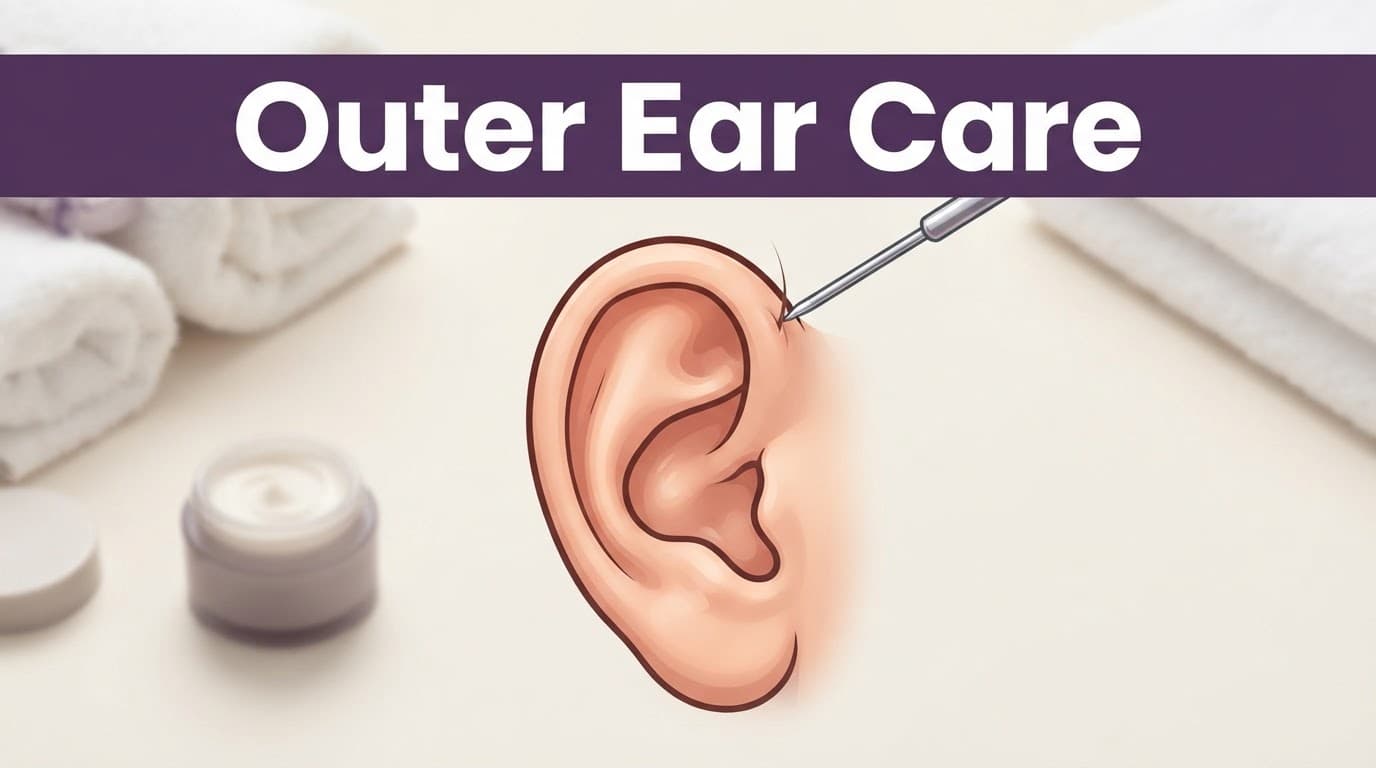
Treatment Stays on the Outer Ear
The ear has many folds, so precision matters. I treat only clearly visible hair on the external ear, such as the earlobe and tragus, the outer rim, and nearby surfaces.
The ear canal is not a cosmetic treatment area. A probe should never be placed in the ear canal for cosmetic treatment. During your consultation, I look closely at where the hairs are growing and explain what can be comfortably treated. A safe treatment approach depends on appropriate training, hygiene, positioning, and staying on the external ear.
The Modality Is Matched to the Hair
There are three well-known hair removal methods: thermolysis, galvanic, and blend. Thermolysis uses a short, controlled heat-based current. Galvanic uses a chemical action within the follicle. Blend combines both methods.
For fine or coarse ear hairs, the choice depends on hair coarseness, follicle direction, and how your skin responds. I select the approach that fits the area instead of using one setting for every client.
A few unwanted ear hairs may look like a simple problem, but each hair follicle has its own angle and response. Careful treatment is what keeps the area looking clean and natural.
What to Expect at Your First Appointment
Your first visit starts with a conversation. I want to know how long the hair has been bothering you, how you’ve been managing it, and what result you want. If you’d like to talk first, ask whether a free consultation is available before booking.
Some clients want every visible hair removed. Others prefer a conservative clean-up that still looks completely natural. The treatment area, hair density, goals, and skin response help shape a custom plan. Both approaches are possible because electrolysis is precise.
I also look at hair density and the amount of new growth present that day. A small ear area may suit a shorter appointment, but timing should match what is visible and ready to treat.
Let the Hair Grow Enough to Be Seen
Avoid tweezing or waxing immediately before your appointment. I need to see enough hair and have enough length to remove each treated hair accurately.
Pause or adjust waxing and trimming before an appointment based on guidance from your electrologist. Trimming may be acceptable when discussed, but cutting hairs flush with the skin can make them difficult to treat.
Come in with clean skin and no heavy products around the ears. If you have sensitive skin, active skin conditions, use relevant medications, or have had previous reactions, tell me before treatment. I can adjust the pace and discuss whether treatment should be postponed.
Comfort Is Personal
Most clients describe brief warmth, tingling, or a quick pinch with each hair. Sensations vary from person to person, and the compact area allows focused work.
I work at a pace that supports your comfort. Let me know if you need a break, want to adjust your position, or would like me to explain each step.
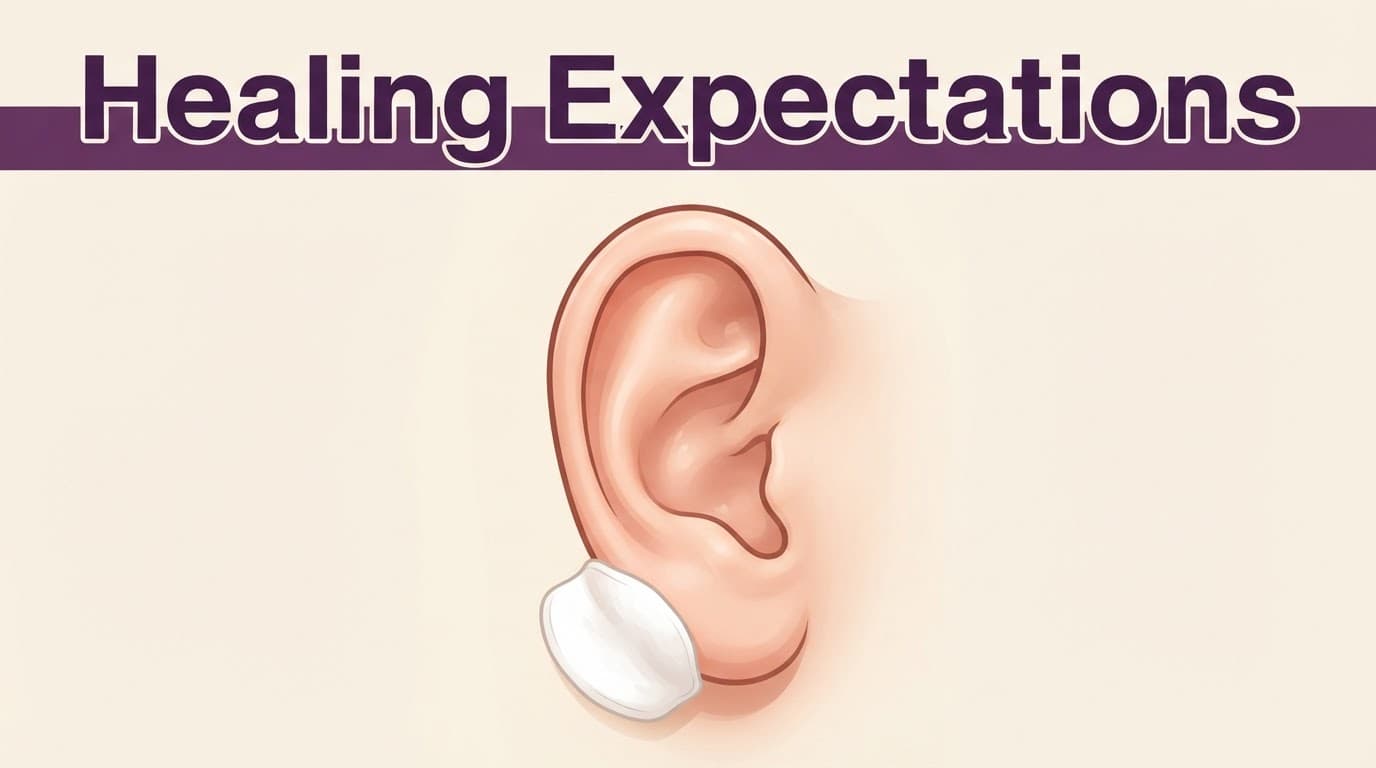
Healing Expectations After Ear Hair Electrolysis
The outer ear may look slightly pink, feel warm, or seem mildly puffy immediately after treatment. These responses are usually temporary as the skin settles.
Tiny dry spots or light superficial crusting can appear as treated follicles settle. Improvement is gradual and varies with how reactive your skin is, treatment intensity, session duration, modality, aftercare, and individual healing.
Simple aftercare can reduce avoidable irritation and the risk of skin damage, but it can’t eliminate every possible reaction.
Seek advice from a qualified electrologist or healthcare professional if redness or swelling worsens instead of settling. Increasing pain, pus or unusual drainage, significant blistering, fever, or persistent bleeding also warrant guidance. Contact a healthcare professional for symptoms inside the ear or changes in hearing.
Keep the Area Calm for 24 to 48 Hours
For the first 24 to 48 hours, keep your aftercare simple when possible. This is a typical guidance window, not a promise that everyone will be fully healed.
Gently cleanse the treated outer ear with cool or lukewarm water and a mild cleanser, then pat it dry.
Avoid unnecessary heat around the area. Hold off on steam rooms, saunas, hot tubs, and intense workouts that cause heavy sweating.
A cool compress can feel soothing if the ear seems warm. Place a clean cloth between the compress and your skin, and use it briefly.
Give Active Skincare a Short Break
For at least 48 hours, pause perfume, exfoliating acids, retinoids, scrubs, peels, dermaplaning, and heavy creams near the treated area.
If your ear is exposed outdoors, use gentle sun protection once the skin feels comfortable.
If you have a facial appointment planned, tell me about it. Facials, peels, and dermaplaning can be scheduled around your visits so treatments don’t overlap while the skin settles.
Follow the individual aftercare instructions I provide at your appointment. Your skin, hair density, treatment time, and response all matter.
Why Multiple Sessions Are Normal
Electrolysis can permanently affect a successfully treated follicle. However, not every ear hair is visible at the same time.
Each hair follicle has its own hair growth cycle. During the active anagen phase, the hair is growing and connected to its base. Other hairs may rest below the surface and appear later. A hair that appears later may not have been exposed during the same active stage as a hair treated earlier.
WebMD’s guide to electrolysis treatment planning also notes that a series of appointments is part of the process.
Consistency Gives You the Best Clearance
A person with a few stray ear hairs may need only short visits spaced apart. Denser growth or coarser hairs usually call for a more regular schedule at first.
I reassess the area between visits and adjust the timing as the visible growth changes. The pattern between appointments helps guide the next step.
New hairs appearing after a session don’t automatically mean treated hairs are growing back. Most often, they’re hairs from a different stage that hadn’t emerged yet.
Treatment Time Matters Too
It helps to think beyond the number of appointments. A 15-minute visit and a 30-minute visit treat different numbers of visible hairs.
Your plan depends on:
- The number and density of visible hairs around the ear.
- The level of clearance you want, from a light clean-up to more complete clearance.
- Each hair’s coarseness and direction, along with its stage of growth.
- The duration of each appointment and how consistently you can return for follow-up visits.
The American Electrology Association’s permanent hair-removal FAQ is also a useful resource for understanding why hair color and skin tone don’t limit treatment.
How Electrolysis Fits Into Your Grooming Routine
Temporary home grooming can help manage a few visible hairs on the outer ear. Trimming offers short-term upkeep, but it doesn’t address hairs that keep returning.
Electrolysis is a precise option for treating a small number of external ear hairs. When comparing professional treatments, review the electrologist’s training, hygiene practices, consultation process, and approach to risks and aftercare.
I often help clients create a routine that feels practical. Simple grooming may help between appointments, while electrolysis focuses on hairs that repeatedly become noticeable.
Don’t tweeze or wax the ear hairs between electrolysis visits. Letting them grow in gives me the best opportunity to treat each follicle accurately.
If ear hair has become one more thing you keep noticing in the mirror, speak with a qualified electrologist about your goals and a comfortable treatment schedule. For appointment information, Call Theresa’s Face and Body for an appointment.
Frequently Asked Questions
Is ear hair electrolysis safe?
When performed by a properly trained electrologist, electrolysis can safely treat visible hair on the external ear. The ear canal should never be treated for cosmetic hair removal, and appropriate hygiene and positioning are important.
Does ear hair electrolysis permanently remove hair?
Electrolysis can permanently affect an individual follicle when that follicle is successfully treated. Multiple sessions may still be needed because different hairs appear at different stages of their growth cycles.
How many sessions will I need?
The number and length of visits depend on hair density, coarseness, growth patterns, and the level of clearance you want. A few stray hairs may need shorter visits, while denser growth usually requires a more consistent schedule.
What does healing feel like after treatment?
The outer ear may be slightly pink, warm, puffy, or tender immediately afterward, and small dry spots or light superficial crusting may appear. Keep the area clean, avoid unnecessary heat and active skincare for the recommended time, and contact a professional if redness, swelling, pain, drainage, blistering, fever, or bleeding worsens.
Can I tweeze or wax between appointments?
It is best not to tweeze or wax between electrolysis visits because the hair needs to grow in for accurate treatment. Trimming may sometimes be acceptable if you discuss it with your electrologist first.
A More Manageable Approach to Ear Hair
Ear hair does not have to be a weekly trimming job. With ear hair electrolysis, I can treat visible hairs one at a time and create a clean result that still looks like you.
Patience matters because hair grows in cycles. A hair that appears later does not automatically mean a treated follicle is growing back, since hairs emerge on different cycles.
Consistent visits and individualized aftercare can make the process manageable. If irritation worsens or seems unusual, follow your aftercare guidance and seek professional or medical advice. Over time, consistent treatment may reduce the need for repeated trimming.