
Meta Title: Track Electrolysis Progress With a Simple Plan
Meta Description: Use a simple session log, monthly photos, clearance notes, and regrowth windows to measure results with confidence.
The mirror can make electrolysis feel slower than it is. To track electrolysis progress clearly, rely on a simple record instead of checking the area each day.
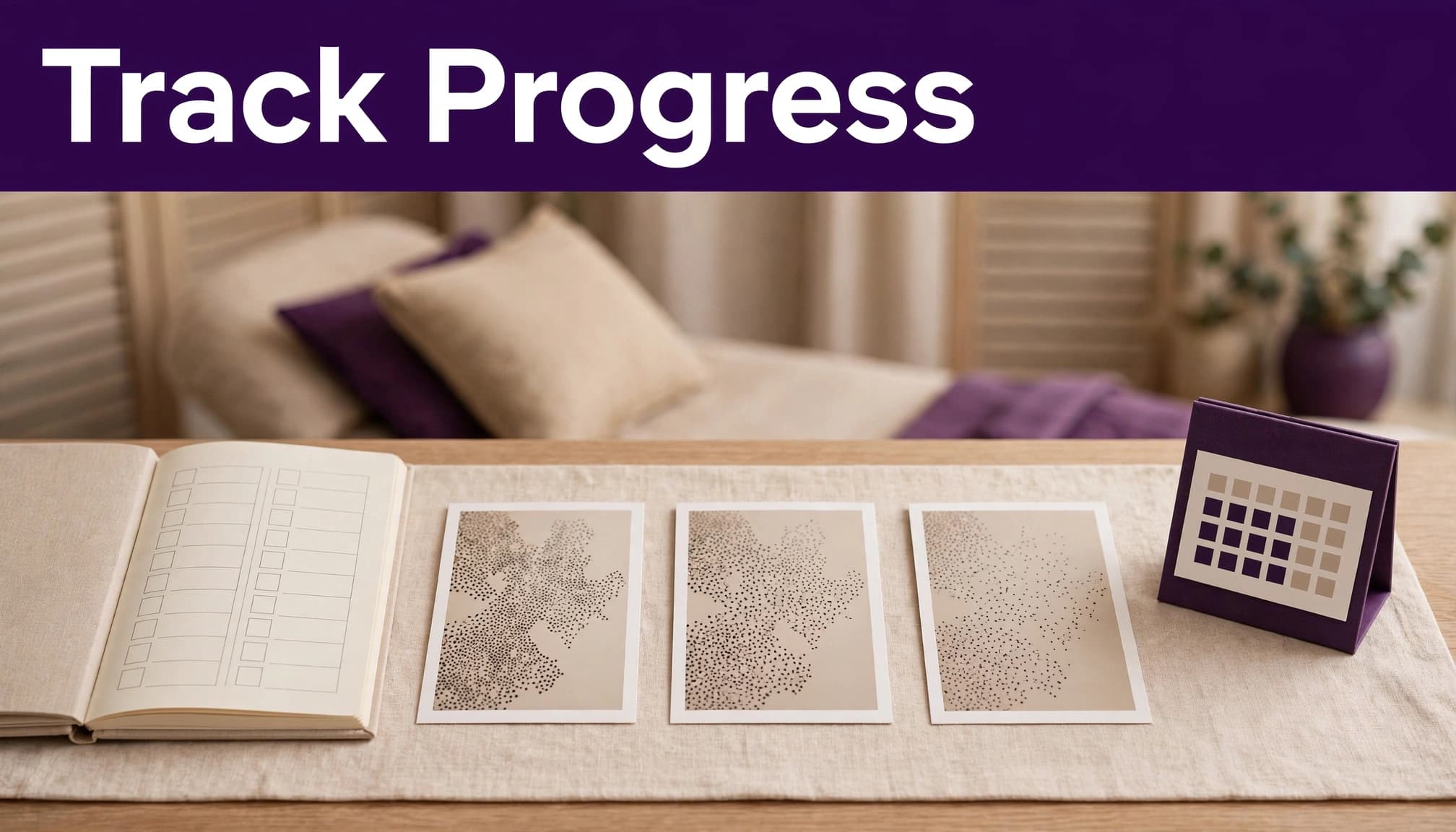
I recommend recording what was cleared, when new hairs became visible, and how long each session lasted. Add monthly photos and notes about the treatment area; for a full face, track each region separately. This gives you a more honest view of your permanent hair removal plan.
Key Takeaways
- Clearance and regrowth patterns are more useful than treatment minutes alone.
- New hairs appearing later often come from follicles that were not visible during earlier electrolysis sessions.
- Consistent photos, taken under the same conditions, show thinning and longer regrowth windows better than daily mirror checks.
- Avoid waxing or tweezing between appointments so visible hairs remain available for treatment.
- A missed appointment can extend the schedule, but it does not erase work already completed on successfully treated follicles.
What Real Electrolysis Progress Looks Like
Electrolysis works one follicle at a time, so progress is often gradual. A clear area after one treatment is encouraging, but one clear-looking day isn’t enough evidence. Notes collected over several weeks reveal more.
I tell clients to record visible clearance, the date new growth first appears, and the length of each regrowth window. Also note session length and how comfortably your skin settles. These patterns can show whether your treatment plan is moving in the right direction.
Total Treatment Time Is Only One Number
Electrolysis treatment time matters for budgeting and scheduling. However, it doesn’t tell the whole story. A full face may require separate clearance observations for each region, unlike a small, dense site.
For example, a 30-minute full face appointment may involve different clearance observations than 30 minutes on a small, dense site. Electrologist technique, hair texture, follicle depth, the size of the treatment area, and your comfort needs can all affect the number of hairs treated in one visit. Comparing your total hours to another person’s total hours can create unnecessary worry.
Instead, record the minutes, then pair them with notes about the mapped area cleared. For example, write “20 minutes, center chin, full visible clearance” rather than only “20 minutes.”
Separate Clearance, Regrowth, and Skin Recovery
A good record has three parts. First, note the visible region that was cleared. Next, record when new growth first becomes visible and how long the regrowth window lasts. Finally, make a short note about how comfortably your skin settled after the session.
A temporary skin reaction or expected skin trauma can briefly change the area’s appearance. Record it separately from hair regrowth, and ask your electrologist about anything concerning. This helps distinguish a temporary change from treatment failure without assuming every reaction is normal.
This helps you adjust your plan based on what your hair is doing, not what you hope it should be doing. A treatment log also makes it easier to see progress during months when the changes feel subtle.
Daily checks can make normal new growth look like a setback. Monthly comparisons show the true pattern.
Why Hair Growth Cycles Require Multiple Sessions
Hair follicles don’t all grow at the same time. Some hairs are visible and ready for treatment today, while other follicles are resting below the surface and emerge later.
The medical overview of unwanted facial-hair removal explains that electrolysis is most effective when hair is in the active growth phase. These hair growth cycles are why a series of electrolysis sessions is part of the process.
New Growth Does Not Mean Earlier Treatment Failed
When you see a new chin hair or upper lip hair after a clear session, it may be from a follicle that had not yet emerged. It is newly visible, but not necessarily returning from a successfully treated follicle.
Record the date when a new chin hair or upper lip hair becomes visible. If it later reaches the shedding stage, log that as an observation, not proof that the follicle is permanently clear.
This is especially important for facial hair removal. Chin, upper lip, jawline, and neck hairs can appear in uneven waves. For upper lip electrolysis, I focus on the overall growth pattern and timing, not one hair in the mirror.
The same principle applies to facial hair removal across a full face. Different areas can reveal new growth at different points in the cycle.
Your Personal Timeline Has Real Variables
Heredity, hormones, medications, hair density, previous removal methods, treatment consistency, and the area being treated can all affect timing. Someone treating a few isolated facial hairs will have a different experience than someone with dense, coarse growth over a larger area.
This process is different from laser hair removal because electrolysis treats individual follicles. The number and spacing of appointments depend on how growth develops, not on a fixed completion schedule.
Some treatment plans move steadily, while others take longer when growth is dense or influenced by hormonal changes. The goal is consistent progress and careful observation, not a rushed promise.
For a closer look at treatment areas and expectations, read about electrolysis for facial hair.
Build a Progress Log That Is Easy to Keep
You do not need a complicated spreadsheet. A note on your phone, a paper calendar, or a simple journal can work well. What matters is recording the same details after each visit.
Record the Same Five Details Every Time
After each of your electrolysis sessions, write down:
- The appointment date and the treatment area.
- How many minutes were scheduled and how much of the visible area was cleared.
- The date when you first noticed new visible hairs.
- Whether the hair looked finer, lighter, or less dense than before.
- Whether new hairs appeared during a shedding stage or after it.
- Any changes that may affect your plan, such as a missed appointment, new medication, or hormonal change.
- Expected recovery notes, when a skin reaction settled, and whether anything felt different from your usual pattern.
Keep your notes short and consistent. Over time, you will see whether clearances are happening faster and whether the regrowth window is getting longer.
Contact your electrologist promptly about worsening or persistent redness, swelling, blistering, severe pain, unusual drainage, or skin irritation that doesn’t improve according to your aftercare instructions. Seek appropriate medical care for severe or concerning symptoms.
Take Monthly Photos Under Matching Conditions
Photos are one of the best ways to track progress because they remove the emotion of a close-up mirror check. Take baseline photos before your first session, then repeat them once a month.
Use the same room, lighting, angle, distance, and time of day. Keep your expression relaxed, and photograph the site before shaving or trimming if that is part of your normal routine.
For a full face, take front, right-side, and left-side photos. For a bikini line, chest, back, or other body site, use the same position each time. Compare photos over several hair growth cycles, rather than judging changes day by day.
The point is not to create perfect before-and-after pictures. It is to create a reliable record for you.
Keep Your Treatment Interval Consistent
Your treatment interval should follow your electrologist’s recommendation and visible growth, not an inflexible calendar. Facial appointments are often closer together early on, while a full face may show growth in waves. Body areas, including the bikini line, may need longer intervals because their growth pattern is slower.
Visible timing may also reflect a shedding stage, but it isn’t a guarantee. As the area thins, appointments can often be spaced farther apart. This is one of the more satisfying changes to document in your log.

One Missed Appointment Does Not Reset Progress
Life happens. Missing one session doesn’t send you back to the beginning, and it doesn’t reactivate follicles that were successfully treated.
The main effect is timing. Untreated hairs may be more visible at the next appointment after a longer gap. Update your treatment plan with your electrologist after a missed visit, medication change, or hormonal change, then return to a schedule that works for you.
Leave the Hair Available for Treatment
Tweezing and waxing remove hair from the root, making the follicle unavailable for observation and harder to treat at your next session. Shaving or careful trimming may manage visible growth while keeping the follicle available, when appropriate for your instructions.
This can be an adjustment if root-removal grooming has been part of your usual routine. Electrolysis needs visible growth to treat the follicle.
Our electrolysis hair removal FAQs explain how to prepare between appointments, including when shaving is appropriate.
Compare Areas Without Comparing Yourself to Others
Different areas have different growth patterns. Chin hair is often coarse and may become visible quickly. Upper lip electrolysis can involve fine hairs mixed with darker terminal hairs, so record both types when possible.
For upper lip electrolysis, note whether each visit focused on fine hairs, darker terminal hairs, or both. Side-of-face growth may be softer and appear on a different schedule.
Body areas can also vary widely. A small patch may clear quickly, while a larger body area needs more appointments because there are more follicles to address.
I recommend creating a separate log entry for each area. Even with a full face, track the chin, upper lip, cheeks, and jaw separately. Separate tracking shows each area’s growth pattern and where treatment needs more time.
Your skincare routine matters as well. If you enjoy facials, chemical peels, or exfoliating products, mention them during your appointment so your schedule stays comfortable and well planned. Follow your personalized electrolysis aftercare instructions between visits.
Review Your Plan Every Three Months
A three-month review is long enough to reveal patterns across several hair growth cycles. Bring photos, session logs, and clearance notes to your appointment, including first-visible-growth dates and skin recovery details.
Compare the same site or region each time. Is hair density lower? How much visible hair remains after several hair growth cycles? Are results from different clearance sessions becoming easier to document? Is the treatment interval changing as the region becomes less dense?
For a full face, compare each mapped region separately rather than combining the whole face into one number. If you switch providers or appointment times, your record can also show your usual regrowth pattern.
A detailed log makes your treatment plan personal. It helps your electrologist review trends without promising a guaranteed endpoint. It also keeps the conversation focused on documented progress, not guesses based on one day.
Frequently Asked Questions
Is clearance more important than total treatment time?
For most clients, yes. Treatment minutes are useful, but they don’t show how much visible hair was cleared, how dense the area was, or how quickly new growth appeared.
The best record includes both. Track the session length, then note the treatment area and whether it received a full visible clearance. Visible shedding or a delayed hair can reflect its shedding stage, but neither independently proves success or failure.
How often should progress photos be taken?
Once a month is usually enough. More frequent photos can make small day-to-day differences feel larger than they are.
Keep the conditions consistent, and compare photos from the same angle. Review them every few months rather than judging each new picture by itself.
Can a full face and a smaller area follow different timelines?
Yes. Different areas can have different hair densities, growth patterns, and treatment needs. One new chin hair isn’t enough to judge the overall process or change your expectations.
Use notes and photos to look for patterns over time. A single observation can provide context, but it shouldn’t determine whether progress is occurring.
Can hormonal changes affect an electrolysis plan?
Yes. Hormonal changes, heredity, and some medications can affect the amount and pattern of new visible hair. This doesn’t erase earlier treatment progress, but it may change the timing or number of sessions needed.
Tell your electrologist about changes in your health history or medication so your plan can be updated with care.
When should I contact my electrologist about a skin reaction?
Routine aftercare questions are common, especially when you aren’t sure what to expect after treatment. Contact your electrologist about persistent or worsening redness, swelling, blistering, severe pain, unusual drainage, or any unexpected change.
Some symptoms may require medical attention, so don’t wait for a routine follow-up if a reaction is severe, worsening, or concerning.
When should an electrologist review the treatment plan?
Ask for a review when you have completed several sessions, when your regular interval changes, or when you notice a different regrowth pattern. Your photos and notes give that conversation useful details.
For a personalized plan in Cape Coral, Call Theresa’s Face and Body for an appointment.
A Clear Record Makes the Process Feel Easier
Electrolysis is a series of small, lasting steps. Review clearance notes, first-visible-growth dates, regrowth windows, session details, consistent photos, and skin recovery.
The same record can cover a full face or a smaller treatment site. When you stop judging progress one hair at a time, changes become easier to see. Consistent treatment and consistent tracking help you evaluate the process without treating records as a guarantee.